BREWSTEAD SUPPLY / PRACTICAL GUIDES
Choose between a coffee press, moka, pour-over and cold brew
Match preparation time, serving quantity, heat source and cleanup to the manual method you actually want.
Begin with the drink and the timing
Ask whether you want a drink prepared immediately, a batch to share or a cold-brew supply made ahead. That is a more useful first split than the word “manual” on a box. A press or pour-over needs a suitable way to heat water separately; a moka pot heats on an approved hob; the reviewed cold-brew jar is a storage-and-filter arrangement with no electric brewing function. These methods also leave different parts to empty and clean. Choose a process you will actually have time and space to complete.
Choose a pressing workflow for its actual receiving vessel
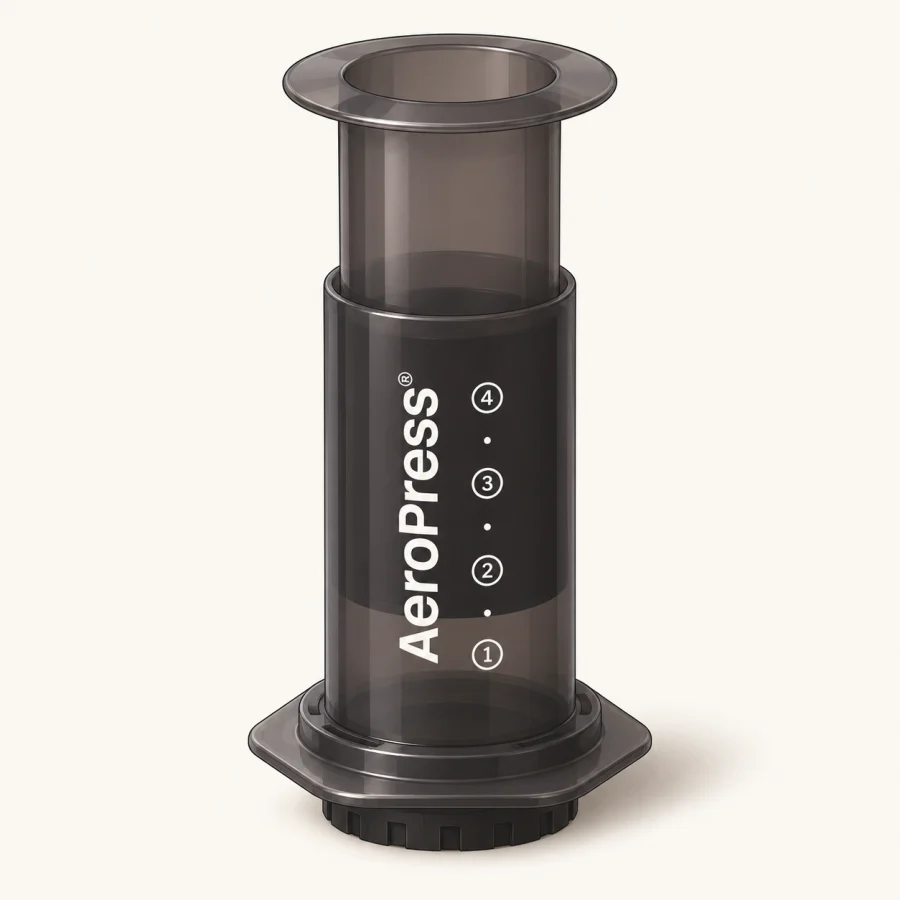
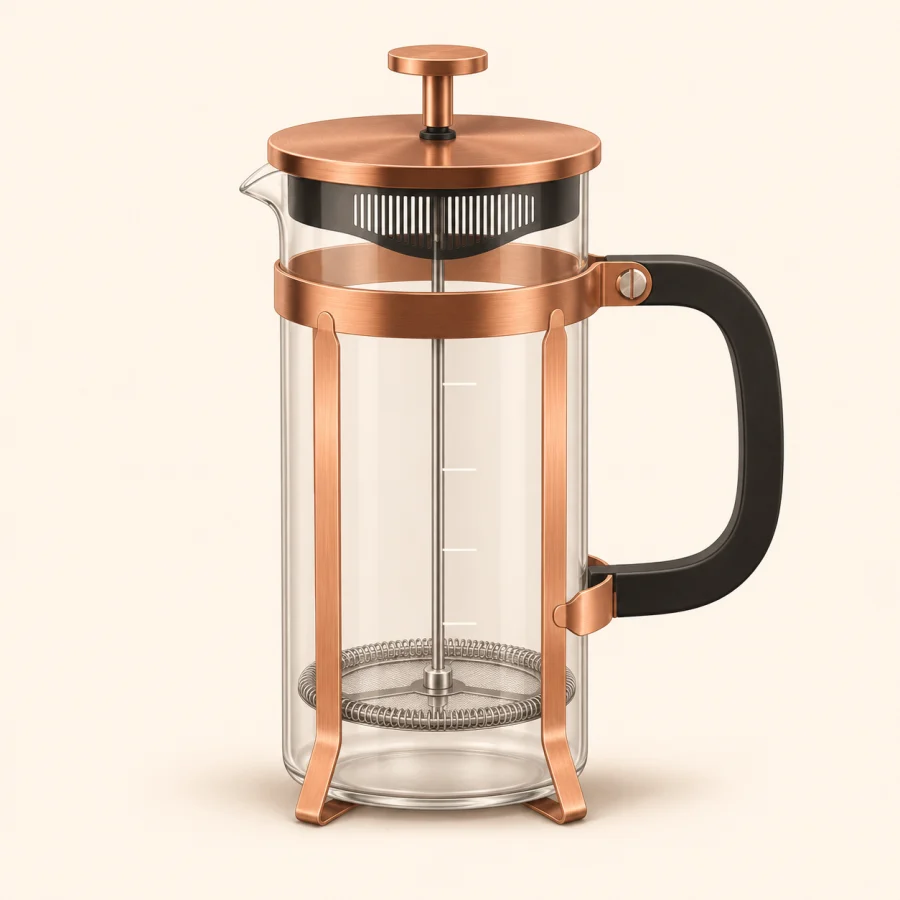
The AeroPressOriginal combines immersion and pressing through its own micro-filter system, with 50 papers listed in the reviewed package. It needs a stable, suitable receiving cup; its “espresso-style” wording does not establish pump-machine pressure. The French press uses a glass beaker, reusable mesh and a plunger. Its selected package lists one press and two filter components, not two full presses. Consider overhead plunger clearance and handling a full glass vessel before treating either as a compact travel solution.
Treat a moka pot as a heat-source and serving-size choice
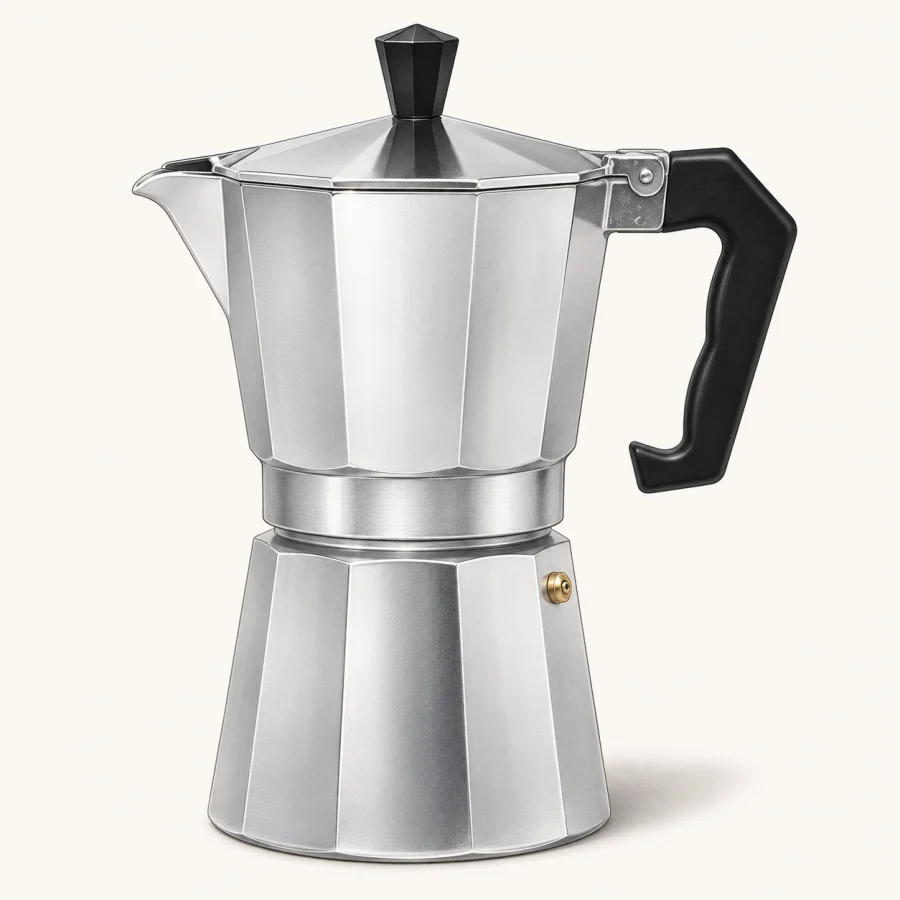
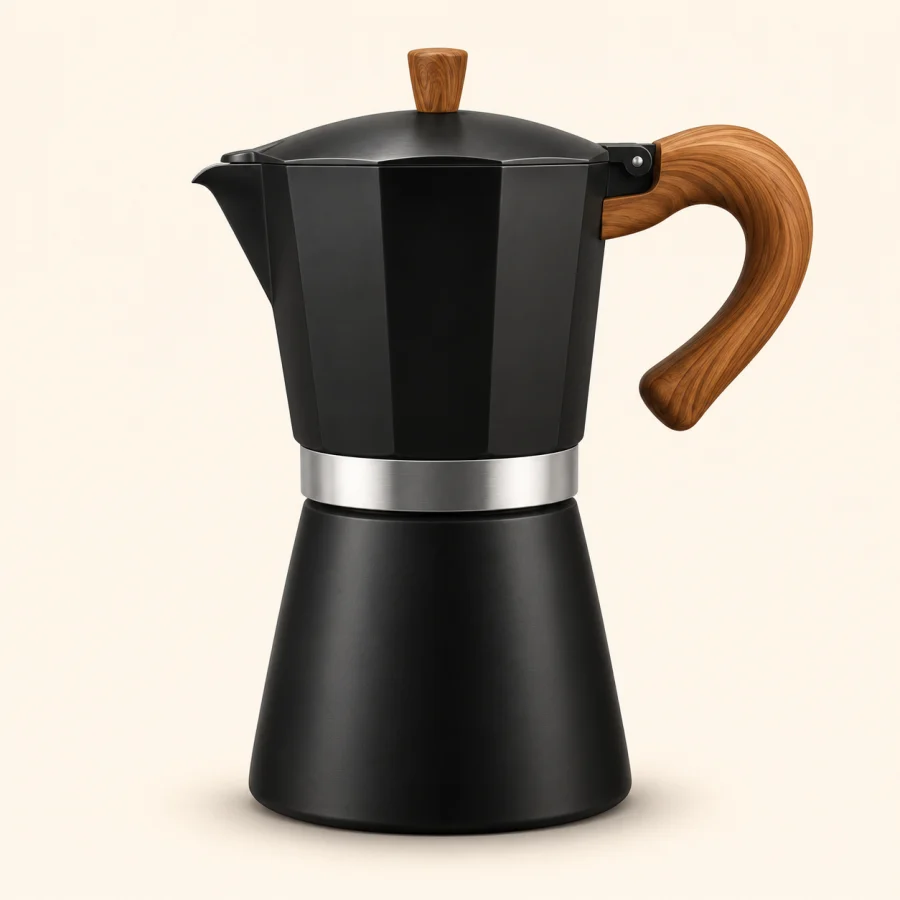
The silver Primula PES-3306 and selected black MD-MKH-7Bboth use a six-small-serving convention. That is not six breakfast mugs. The silver pot's aluminum body does not establish induction compatibility; confirm the exact hob and pot instructions. The black pot's source specifies rinsing with warm water, drying parts before reassembly and no dishwasher. A moka basket is not the same system as paper cone filters, and a recipe or pressure result should not be inferred from a cup label.
Choose pour-over when the complete support and filter setup suits you
Look at the brewer, receiving vessel, paper or mesh, kettle and scale together. The Stagg XF set includes a dripper, double-wall carafe and thirty matching papers; the Chemex CM-8A requires separately purchased compatible bonded papers in the reviewed offer. A single-serve OXO brewer adds a water tank above a mug. These choices change the support arrangement and replenishment routine. They do not promise the same extraction or taste, and a larger carafe is not automatically more convenient for one drink.
Plan cold brew around preparation and storage access
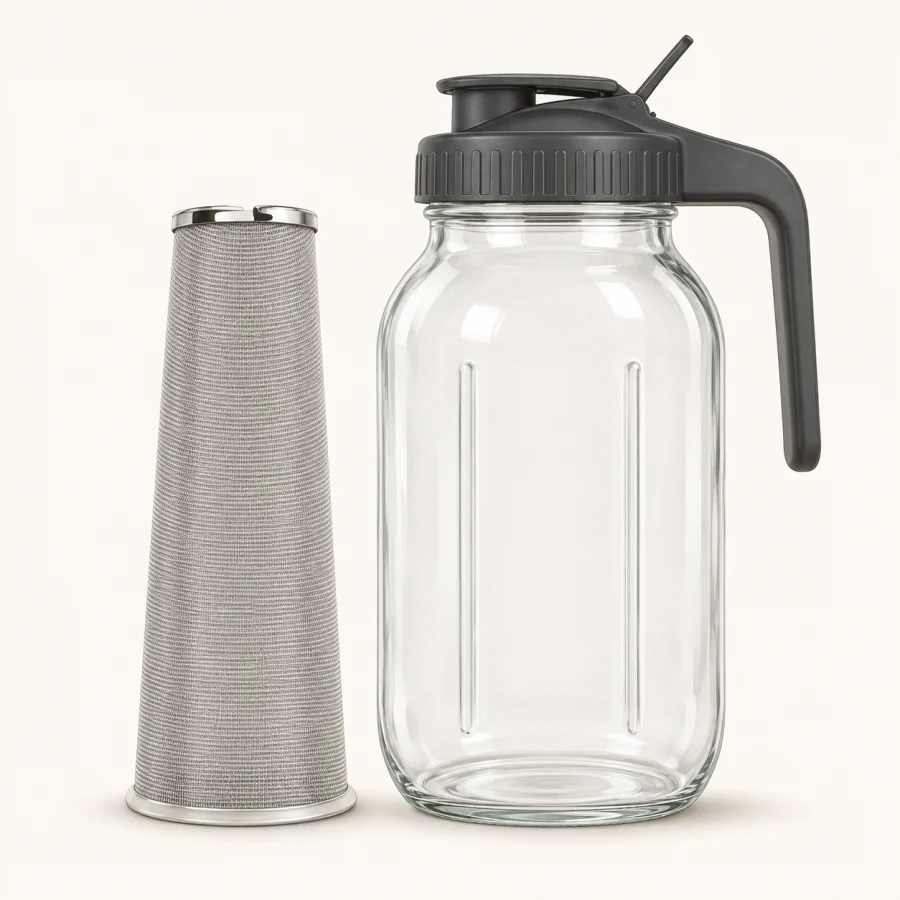
The 64 ozjar includes a handled pouring lid and steel filter. Its source specifically says not to pour boiling water into it and lists 60°C/140°Fas a maximum, so do not choose it as a hot-water brewing carafe. The nominal jar volume is not the recovered drink yield: the filter, grounds and retained liquid change that. Check refrigerator clearance and how you will remove the wet filter. Use an appropriate food-safe preparation and storage procedure rather than guessing a universal steeping time or shelf life from jar size.
Choose the supporting grinder and measurement next
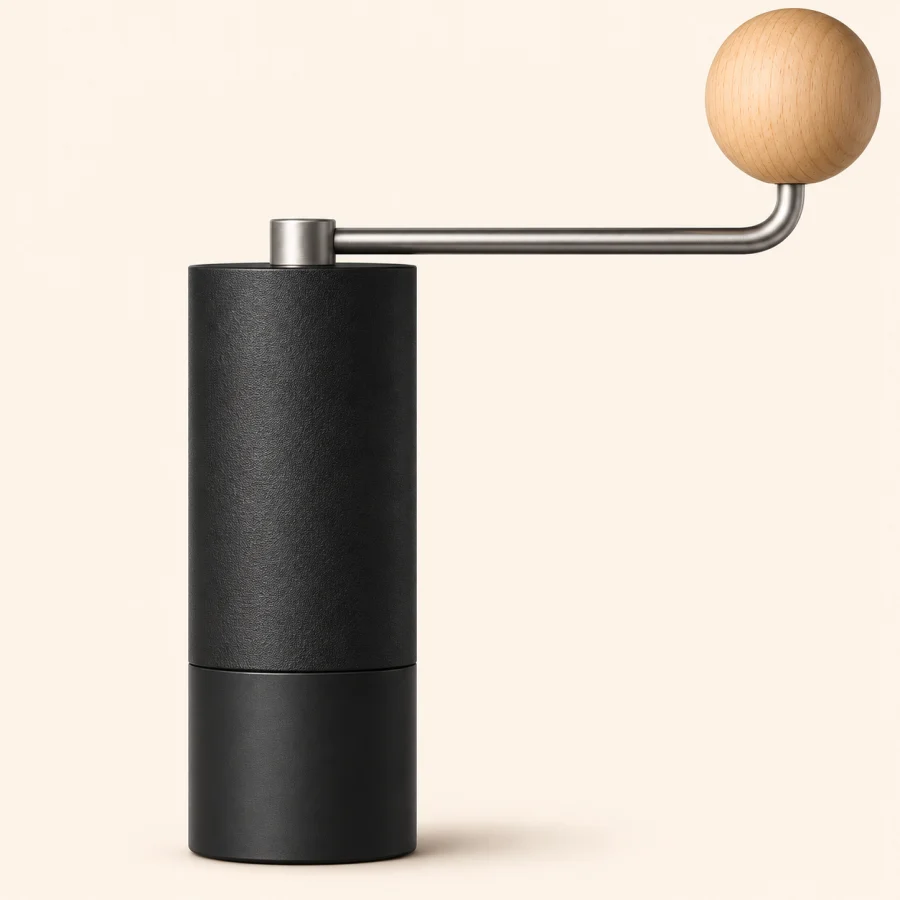
After choosing the method, compare a grinder's stated support, dose capacity and adjustment with the process. The P0 source recommends drip and lists 20 gcapacity; that is not proof that the same model covers every espresso requirement. A scale records mass, while a scoop or fill mark records volume. Keep filter format and actual ingredient mass separate from a maker's cup convention. The simplest useful purchase is the missing tool that makes your selected method workable, rather than a large bundle that adds unrelated steps.
Explore the relevant departments
Questions from this guide
Is AeroPress espresso-style the same as pump espresso?
No pump-machine pressure or equivalent performance is established. It is a manual pressing system with its own filter and receiving-cup requirements.
Does a moka pot need paper cone filters?
The reviewed pots use reusable baskets. Do not choose ordinary cone refills as if they were the same filtration system.
Can I use the cold-brew jar for hot pour-over?
The reviewed source excludes boiling water and states 60°C/140°Fmaximum. It should not be substituted for a hot-brewing carafe.
Which method guarantees the best flavor?
No such guarantee is established. Beans, water, recipe and technique interact with the equipment; choose a method whose routine and quantity fit your needs.
Product examples refer to the reviewed selected variants. Check each product page for the selected contents, fit and any unresolved source differences. This guide does not substitute for the exact equipment's operating or chemical-cleaning instructions.